Homeowner's Guide to choosing the right tree service company
Homeowner's Guide to choosing the right tree service company
Blog Article
Skilled Tree Trimming Offerings for a Greener Landscape
Professional arborist services are vital for maintaining a landscape's well-being and aesthetics. These professionals assess tree states and remove troublesome branches, promoting development and protection. Regular trimming not only improves curb appeal but also reduces the risk of damage during storms. Comprehending the intricacies of tree health and correct techniques can make a significant difference. Yet, many homeowners overlook critical aspects of this service, raising questions about their decisions and outcomes.
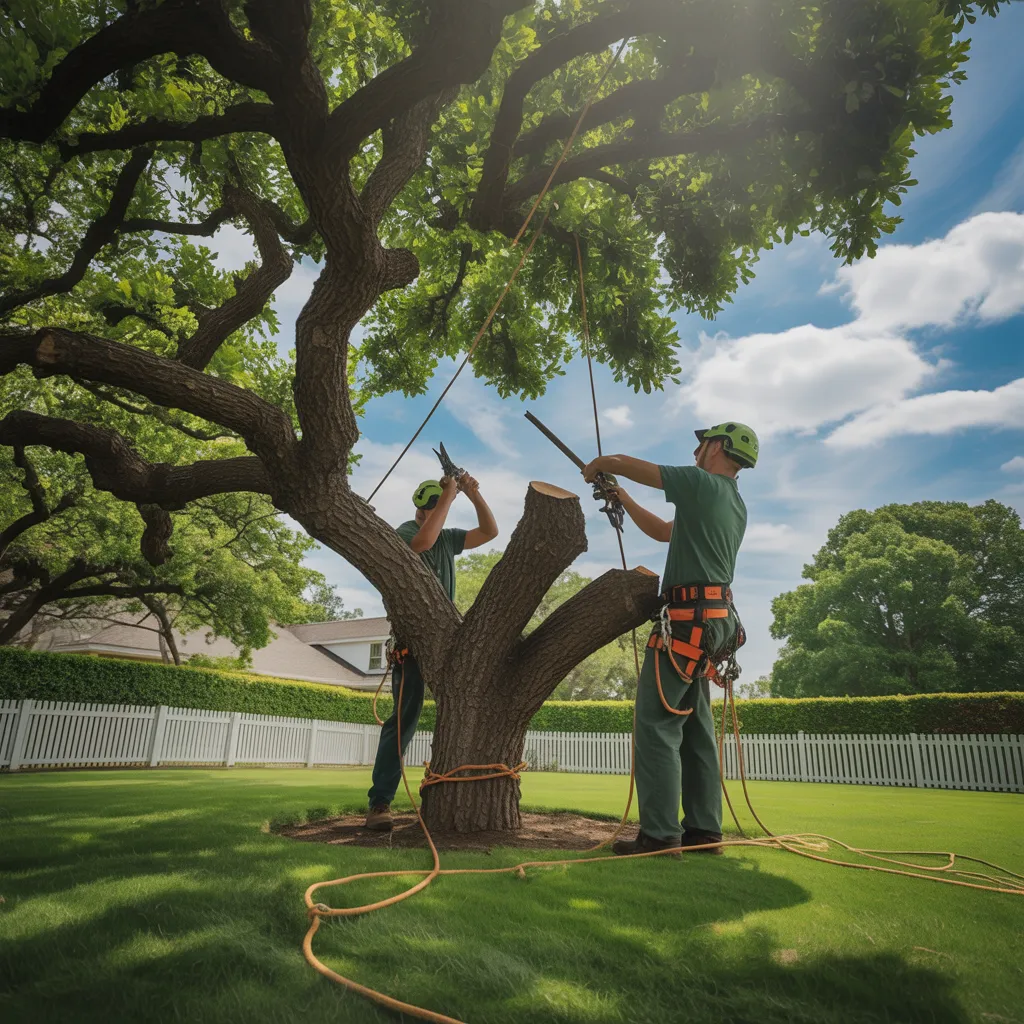
Why Professional Tree Trimming Is Important for Your Home's Security and Aesthetics
Professional tree trimming enhances both the safety and visual beauty of a home. By removing diseased or excessive branches, homeowners mitigate risks associated with falling debris during storms, thereby protecting both their property and loved ones. Furthermore, properly cared for trees contribute positively to the overall landscape aesthetics of a landscape, promoting a inviting ambiance.
In addition to security, expert pruning promotes more vigorous tree development by enabling improved light exposure and airflow. This process helps trees develop a robust structure, reducing the likelihood of disease and pest infestations. A trained tree specialist can determine which limbs to prune, guaranteeing that the tree's natural form is maintained while improving its aesthetic appeal. Consistent pruning not only safeguards the home but also increases its visual attractiveness, making it more attractive to visitors and potential buyers alike. Emphasizing expert tree care is a essential step in preserving a secure and attractive setting.
Popular Tree Trimming Techniques You Should Understand
The practice of tree trimming involves various techniques designed at promoting healthy growth and enhancing aesthetic appeal. One common method is crown thinning, which consists of selectively cutting branches to improve light penetration and air circulation within the tree. This method enhances overall health while preserving the tree's natural shape. Another typical approach is crown reduction, used to decrease the height of a tree while retaining its structure. This is particularly useful for trees that pose a threat to nearby structures. Additionally, deadwooding targets the removal of dead or diseased branches to prevent pest and disease spread. Finally, directional pruning encourages growth towards specific directions, allowing for improved landscape design explore the facts and obstruction prevention. Understanding these methods enables property owners to make well-informed decisions about their tree care, guaranteeing a healthier and more visually pleasing landscape.
Determining the Optimal Tree Trimming Alternatives
When selecting tree trimming services, what elements should be considered to ensure quality and safety? First, it is crucial to evaluate the company's credentials, including certifications and insurance. A reputable service should have skilled professionals who understand tree biology and proper trimming techniques. Next, customer reviews and testimonials can offer insights into the company's dependability and workmanship.
Additionally, obtaining several estimates allows for a comparison of pricing and services offered, ensuring a reasonable deal. It's also wise to ask about the tools employed, as modern tools can boost security and efficiency.
In addition, evaluating the company's adherence to local regulations and environmental practices exhibits its commitment to sustainable tree care. Finally, clear communication with the service provider about specific needs and expectations can result in a more satisfactory outcome. By considering these factors, property owners can make a knowledgeable decision that encourages a healthier landscape.
What Measures Should You Take to Prepare Your Landscape for Tree Trimming?
Preparing a landscape for tree trimming begins with evaluating the status of the trees to determine the best course of action. Eliminating surrounding debris ensures a safe working locale, while marking clearly the areas earmarked for trimming helps stop any mix-ups during the process. These steps are essential for an efficient and successful tree trimming service.
Evaluate Tree Health First
How can one guarantee a effective tree trimming process? Assessing tree health is crucial before any trimming begins. A thorough inspection of the tree can reveal signs of illness, pest infestations, or structural weaknesses. This evaluation allows for informed decisions about which branches to trim and which to leave intact, ultimately promoting the tree's overall well-being.
Additionally, reviewing the tree's environment, including soil condition and surrounding vegetation, can supply insights into its durability. Strong trees are better equipped to recover from trimming, making certain that the landscape remains vibrant. By focusing on tree health, one sets the stage for effective trimming that boosts not only the individual tree but also the landscape as a whole.
Remove surrounding clutter
Taking away surrounding debris is a essential step in getting ready a landscape for tree trimming. This procedure consists of removing any fallen branches, leaves, and other materials that could hinder the work area. By ensuring a clean space, tree trimming professionals can perform more effectively and safely. Debris removal also lowers the risk of accidents, such as slips or trips, which could harm both workers and equipment. Additionally, a orderly environment allows for better visibility, enabling the crew to identify potential hazards and assess the tree's condition more precisely. Homeowners should also consider relocating outdoor furniture or decorations that may interfere with the trimming process, further facilitating a smooth operation and contributing to the overall health of the landscape.
Mark Cutting Areas Distinctly
Efficient tree trimming requires clearly signaling the trimming areas. This step ensures that both the property owner and the trimmers understand which branches or sections will be trimmed. Using tape or tape clearly to mark these areas can be valuable. These marks need to be placed at a prominent distance from the tree so that the crew can quickly find the target zones. Moreover, advising neighbors of the trimming schedule helps prevent misunderstandings and promotes safety. Properly outlining these areas reduces accident risks and supports the overall health of the landscape, making the trimming process more organized and easier to manage.
Often Asked Questions
How frequently Should I arrange Tree Trimming Services?
Tree trimming offerings should generally be arranged every 1 to 3 years, based on the tree type, growth rate, and local climate conditions. Regular assessments can assist in preserving tree vitality and avoid potential hazards.
Which Time Is Most Suitable for Pruning Trees?
The optimal season for tree pruning is early spring to late winter, before new growth starts. This timing limits pressure on the trees and permits for improved mending, promoting healthier and more vigorous growth following this time.
Will Tree Trimming Damage My Trees?
Tree cutting can harm trees if performed incorrectly or excessively, triggering stress, disease, or structural problems. However, when done correctly and at optimal periods, it supports health and longevity in trees. Proper techniques are necessary.
Do I Have to Be Home During the Tree Trimming?
Homeowner presence during tree trimming is typically unnecessary. Professionals can competently complete the job independently, ensuring safety and quality. However, some may prefer to be home for communication and to handle concerns directly.
How Much Does Expert Tree Trimming Typically Cost?
Professional tree trimming typically expenses between $200 and $1,500, depending on factors like tree size, location, and complexity of the job. Additional fees may apply for expert services or urgent calls.
Report this page